Concrete & Paver Sealing in San Antonio, TX
Clean, then seal concrete and pavers to protect against stains and weathering.
Protect Your Concrete and Pavers From Texas Sun, Stains and Weeds
Sealing adds a protective barrier to driveways, patios, pool decks and pavers. In San Antonio, intense sun fades pavers, hard water leaves white efflorescence, oak tannins and oil stain porous surfaces, and washed-out joint sand invites weeds and ants.
Every sealing job starts with a deep clean and a full dry. Then we apply a sealer matched to the surface: a penetrating sealer for a natural look on plain concrete, or an enhancing finish for pavers and stamped concrete where you want richer color. Every quote is free and itemized.
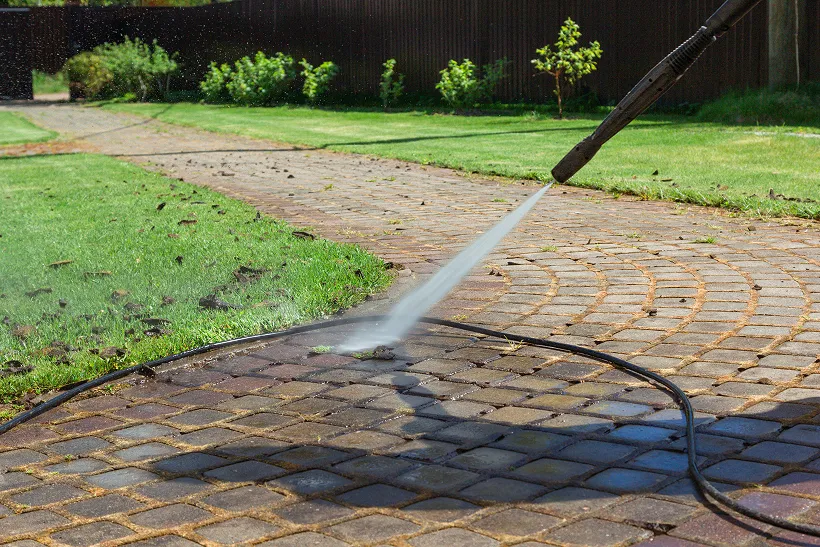
What’s Included In Our Concrete & Paver Sealing
A sealer is only as good as the surface under it, so preparation is most of the job.
- 01
Deep cleaning and stain prep
The surface is washed, oil spots are degreased and efflorescence is treated before any sealer goes down.
- 02
Joint care for pavers
Paver joints are checked, and washed-out sand can be topped up so the pavers stay locked and weeds have less room to grow.
- 03
Sealer matched to surface and finish
Choose a natural, matte look or a color-enhancing finish, depending on the surface and the look you want.
- 04
Even application and cure guidance
Thin, even coats are applied in suitable weather, and you get clear foot and vehicle traffic times.
Our Concrete & Paver Sealing Process
Sealing takes the right conditions, so we plan the job around the surface and the weather.
Step 01
Assess and quote
We check the surface type, any existing sealer, efflorescence and the joints, then give a free itemized quote.
Step 02
Clean and dry
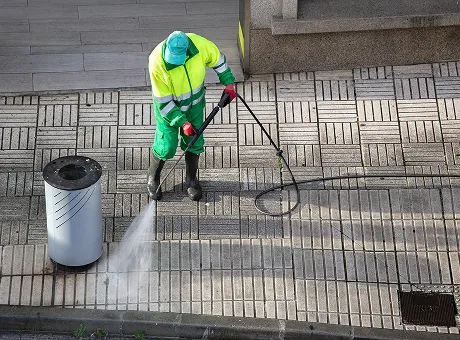
The surface is pressure cleaned and then allowed to dry fully, typically about 24 hours, before sealing.
Step 03
Prepare joints and seal
Paver joints are filled where needed, and the sealer is applied in mild, dry weather.
Step 04
Cure and walkthrough
We review the finish with you and let you know when it’s ready for feet and vehicles.
Penetrating vs. Film-Forming Sealers
- Penetrating sealers soak into the concrete and leave no film, so the surface keeps a natural look and there’s nothing to peel. They suit plain concrete driveways.
- Film-forming sealers sit on the surface and enhance color, from satin to a wet look. They suit pavers and stamped or stained concrete.
- Film sealers can be slick when wet, which matters on pool decks and walkways.
- Peeling or failing coatings may need to be removed before a new sealer can go on.
How Long Sealer Lasts in San Antonio
- Pavers: about every 2 to 5 years, sooner for pool decks and areas in full sun.
- Plain concrete with a penetrating sealer: about every 3 to 5 years.
- Acrylic film sealers: about every 2 to 3 years.
- The water test: if water beads up, the sealer is working; if it soaks in and darkens the surface, it’s time to reseal.
Concrete & Paver Sealing Near You
We provide concrete & paver sealing across San Antonio and these nearby cities.
Concrete & Paver Sealing FAQ
Get clear answers about our pressure washing services, pricing, preparation, and what to expect when you choose Power Washing San Antonio.
Need a Quote?
How often should pavers or concrete be resealed in San Antonio?
Pavers usually need resealing every two to five years, and plain concrete with a penetrating sealer every three to five. Strong sun and heavy traffic push toward the shorter end.
How long before I can walk or drive on it?
Foot traffic is usually fine within a few hours to a day, and vehicles after about 24 to 72 hours, depending on the sealer. We’ll give you exact times for your job.
Will sealing make my pavers or pool deck slippery?
Some film-forming sealers can be slick when wet. For pool decks and walkways we’ll talk through finish options that keep grip in mind.
Does sealing stop weeds and stains?
It reduces them but doesn’t eliminate them. Filled joints make it harder for weeds to grow, and sealer slows staining, but no sealer is permanently stain-proof.
Can you seal over my existing sealer?
It depends on the type and condition of the old coating. Sealer that’s peeling or incompatible may need to be removed first, and we’ll check it when we quote.
Can new concrete be sealed right away?
No. New concrete needs about 28 days to cure before its first sealing, and sealer shouldn’t go over active efflorescence.